Showing posts with label intergenerational. Show all posts

Monday, January 23, 2017

OEA-Retired Intergenerational Mentoring Program


EDITOR’S NOTE: Each week, we feature intergenerational program ideas that were tried and successful. This series is a tool to highlight various age-optimized programs and practices. The program descriptions are provided by representatives of the programs. Inclusion in this series does not imply Generations United’s endorsement or recommendation, but rather encourages ideas to inspire other programs.

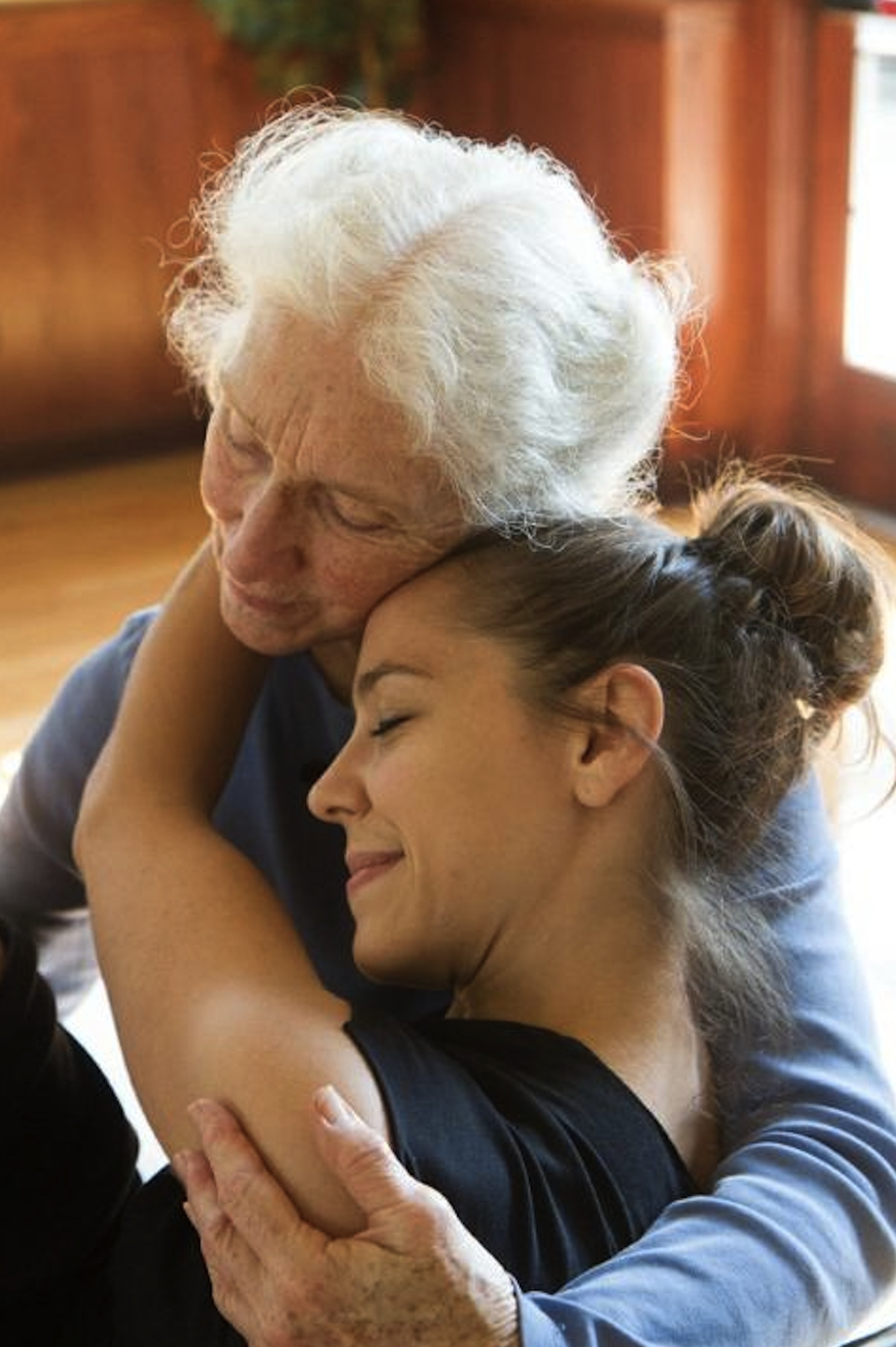
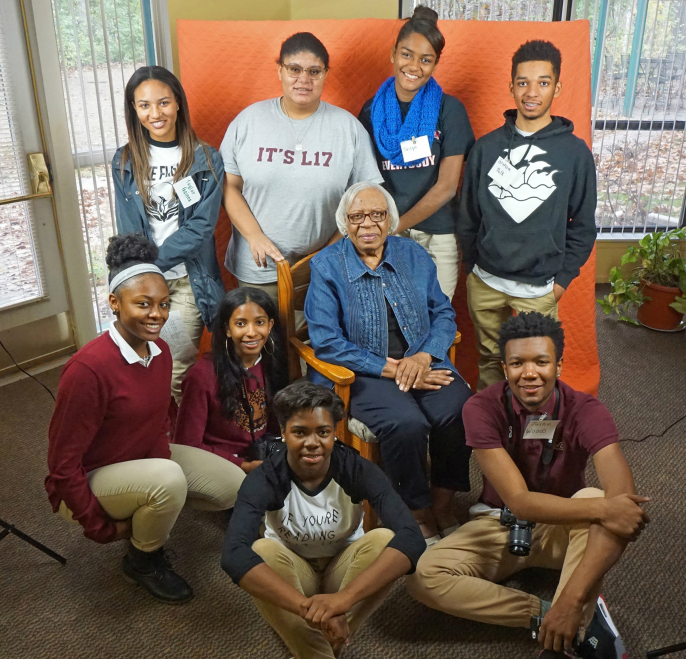
This week's cool idea is the Ohio Education Association-Retired Intergenerational Program that engages retired educators as mentors to children and training teachers.

(Check our archives for parts 1-90 | non-archived: 1, 2, 3,4, 5, 6, 7, 8 and 9)

The Intergenerational Mentoring Program is a collaborative project between the Ohio Education
Association-Retired (OEA-R) and the Ohio Student Education Association (OSEA) with the full support and cooperation of the Ohio Education Association (OEA), the National Education Association (NEA), and NEA-Retired.

Got something cool you tried that was successful? Share the inspiration. You can also post them to our Intergenerational Connections Facebook Group. We want to highlight innovative age-optimized programs and practices through our blog, social media and weekly e-newsletter!

Friday, January 13, 2017

My Grandmother Asked Me to Tell You She’s Sorry: A Book Review

by Taylor Patskanick

This poignant story by Fredrik Backman often defies reality in the pursuit of celebrating the diversity of human experiences.

Elsa, an extraordinary seven-year-old, is something of an outsider among her peers; and Granny, an eccentric 77-year-old, is her best friend and superhero.

Granny tells Elsa nightly bedtime fairytales about the Land of Almost-Awake and its legendary six kingdoms in a wardrobe that seems to grow with Elsa inside of Granny’s apartment. But when Granny loses her battle with cancer, Elsa is tasked with the adventure of a lifetime to deliver apology letters from Granny to others from throughout her life. 

Gradually, Elsa meets many new friends in her apartment building with characteristics and histories that mirror the stories she has heard from the Land of Almost-Awake. 

Meet Alf, a cantankerous cab driver; Britt-Marie, the fussy leader of the “leaseholder’s association;” the Monster, a soft-hearted germaphobe; and a wurse, a bizarre creature that loves chocolate. 

Those are just a few of the acquaintances Elsa befriends. Not only do these new friends help Elsa fill the hollowness of Granny’s death, but they become important allies when their apartment building is threatened by an enemy likened to a fearsome dragon in the Land of Almost-Awake.

Backman’s words are whimsical and charismatic, highlighting the complexity of our greatest social concerns today - bullying, domestic violence, feminism, mental illness, grief, loss and more. 

The intersection of Granny’s past and Elsa’s present through the fairytales will captivate and enchant you - reminding us of the need for empathy in understanding others' experiences of others, while showing the limitless power of the grandmother-grandchild relationship.

Backman’s quirky writing style might take some adjusting too, but I enjoyed experiencing life through the eyes of a 7- going on 8-year-old, though the fairytales are also meant for adults. 

As we grow up and life becomes complicated, we think we have to let go of our heroes from childhood stories. Backman pushes back against these ideas, proposing that perhaps life does not have to be this way. 

Elsa and Granny’s story is one example of how generations connect through stories.

Let’s continue the conversation:

How has intergenerational storytelling influenced your life or your family?

-----------------------------
Taylor is an MSW/MPH candidate at the George Warren Brown School of Social Work at Washington University in St. Louis. She is also a Master’s Research Fellow in Aging with the Friedman Center for Aging at Washington University’s Institute for Public Health.

Six Winners

EDITOR’S NOTE: Each week, we feature intergenerational program ideas that were tried and successful. This series is a tool to highlight various age-optimized programs and practices. The program descriptions are provided by representatives of the programs. Inclusion in this series does not imply Generations United’s endorsement or recommendation, but rather encourages ideas to inspire other programs.

This week's cool idea is Six Winners, a social empowerment component of the NYC Health + Hospitals/Harlem. The program pairs older adult mentors with African American and Latino males ages 13 to 24.

(Check our archives for parts 1-89 | non-archived: 1, 2, 3,4, 5, 6, 7, 8 and 9)

Trained mentors teach young men specific skills to help them develop personal goals and enhance their self-sufficiency by working with them on strategies to achieve those goals. The program includes counseling, social skills development, preparation for the workplace, and understanding of fatherhood responsibilities.

Got something cool you tried that was successful? Share the inspiration. You can also post them to our Intergenerational Connections Facebook Group. We want to highlight innovative age-optimized programs and practices through our blog, social media and weekly e-newsletter!

Monday, January 09, 2017

MentorCHIP

EDITOR’S NOTE: Each week, we feature intergenerational program ideas that were tried and successful. This series is a tool to highlight various age-optimized programs and practices. The program descriptions are provided by representatives of the programs. Inclusion in this series does not imply Generations United’s endorsement or recommendation, but rather encourages ideas to inspire other programs.
This week's cool idea is MentorCHIP in New York, which offers site-based mentoring to children and youth through older adult volunteers at partnering organizations.

(Check our archives for parts 1-89 | non-archived: 1, 2, 3,4, 5, 6, 7, 8 and 9)

Through an academic and asset-building focus, mentors help build the confidence and resilience of children ages 6–16 whose parents are incarcerated. The program’s goal is to significantly improve the cognitive, social, and lifelong learning of children who are affected by incarceration.

Got something cool you tried that was successful? Share the inspiration. You can also post them to our Intergenerational Connections Facebook Group. We want to highlight innovative age-optimized programs and practices through our blog, social media and weekly e-newsletter!

Monday, December 05, 2016

The Commons Methodist Home

EDITOR’S NOTE: Each week, we feature intergenerational program ideas that were tried and successful. This series is a tool to highlight various age-optimized programs and practices. The program descriptions are provided by representatives of the programs. Inclusion in this series does not imply Generations United’s endorsement or recommendation, but rather encourages ideas to inspire other programs.

This week's cool idea is The Commons Methodist Home in Oklahoma, which connects The Commons residents with children and youth through reading activities, music and student celebrations.

(Check our archives for parts 1-88 | non-archived: 1, 2, 3,4, 5, 6 and 7)


The Commons United Methodist Health Care Center is part of an educational program for 4-year-olds, an Intergenerational Approach to Learning, which benefits both children and The Commons residents alike.

The program's youth along with the Commons' "grandmas and grandpas" provides a unique atmosphere for learning, caring and cooperation.

The Commons 4-year-old program is a collaborative effort between the United Methodist Health Care Center, Enid Public Schools and CDSA/Smart Start Northwest Oklahoma. 

The project is fully funded by Enid Public Schools and an Innovative Project Grant through Smart Start Oklahoma from the Inasmuch Foundation. The grant provides a professional teacher and assistant through Enid Public Schools.

Got something cool you tried that was successful? Share the inspiration. You can also post them to our Intergenerational Connections Facebook Group. We want to highlight innovative age-optimized programs and practices through our blog, social media and weekly e-newsletter!

Tuesday, November 29, 2016

Lifesongs

EDITOR’S NOTE: Each week, we feature intergenerational program ideas that were tried and successful. This series is a tool to highlight various age-optimized programs and practices. The program descriptions are provided by representatives of the programs. Inclusion in this series does not imply Generations United’s endorsement or recommendation, but rather encourages ideas to inspire other programs.


This week's cool idea is Lifesongs, an intergenerational arts project in New Mexico that promotes social inclusion and dignity for elders and people in hospice care.

(Check our archives for parts 1-87 | non-archived: 1, 2, 3,4, 5, 6 and 7)

Lifesongs brings elders and people in hospice together with artists, youth, and other community members in creative exchange. Working one-on-one and in ensembles, participants develop original works that incorporate music, movement, and multimedia to explore the richness of all stages of life.

After many months of collaboration, the pieces are performed in a public concert by professional musicians, local choirs, and artists of all ages.

Through witnessing our elders’ songs and stories, we connect around what we share as opposed to what separates us, we bless and heal the past, and we hold our elders and the dying in their potential rather than their decline.


In addition to public performances and scalable concerts, Lifesongs provides free and public facilitated dialogues on death and dying with community partners. In 2015, Lifesongs launched the Story Gathering project. 

The Story Gathering project brings youth, community members, and elders together to share stories and life experiences. Participants collaboratively shape stories into new works of writing and art to present to the wider community. 

While deepening its roots in northern New Mexico, Lifesongs is carefully fostering and mentoring projects in other communities around the country.

Got something cool you tried that was successful? Share the inspiration. You can also post them to our Intergenerational Connections Facebook Group. We want to highlight innovative age-optimized programs and practices through our blog, social media and weekly e-newsletter!

Monday, November 14, 2016

Stoughton Community Garden

EDITOR’S NOTE: Each week, we feature intergenerational program ideas that were tried and successful. This series is a tool to highlight various age-optimized programs and practices. The program descriptions are provided by representatives of the programs. Inclusion in this series does not imply Generations United’s endorsement or recommendation, but rather encourages ideas to inspire other programs.

This week's cool idea is the Stoughton Community Garden in Massachusetts, started by the Stoughton Youth Commission.

(Check our archives for parts 1-86 | non-archived: 1, 2, 3,4, 5, 6 and 7)

There are currently 10 garden plots tended by 10 groups of garden partners (made up of youth, seniors, and family members working together).

The idea blossomed when the town decided to place the Stoughton Youth Commission under the same roof at the Stoughton Council on Aging.

Got something cool you tried that was successful? Share the inspiration. You can also post them to our Intergenerational Connections Facebook Group. We want to highlight innovative age-optimized programs and practices through our blog, social media and weekly e-newsletter!

Tuesday, November 08, 2016

Five & Fit

EDITOR’S NOTE: Each week, we feature intergenerational program ideas that were tried and successful. This series is a tool to highlight various age-optimized programs and practices. The program descriptions are provided by representatives of the programs. Inclusion in this series does not imply Generations United’s endorsement or recommendation, but rather encourages ideas to inspire other programs.

This week's cool idea is the Five & Fit program in California, which is based on a model from Temple University, older adults (age 55+) guide young pre-schoolers (ages 2 - 5) and their families toward improved nutrition and enhanced physical activity.

(Check our archives for parts 1-85 | non-archived: 1, 2, 3,4, 5, 6and 7)

Activities include gardening, tasting fruits and vegetables, and fun nutritional education. 

The mission of the program is to prevent childhood obesity and to promote healthy, active, life-long behaviors. 

The program is a collaboration between Aging & Independence Services (the County of San Diego's Area Agency on Aging) and the Cuyamaca College Child Development Center.

Got something cool you tried that was successful? Share the inspiration. You can also post them to our Intergenerational Connections Facebook Group. We want to highlight innovative age-optimized programs and practices through our blog, social media and weekly e-newsletter!

Wednesday, October 05, 2016

Legacy Book Projects

Click the image to expand.
EDITOR’S NOTE: Each week, we feature intergenerational program ideas that were tried and successful. This series is a tool to highlight various age-optimized programs and practices. The program descriptions are provided by representatives of the programs. Inclusion in this series does not imply Generations United’s endorsement or recommendation, but rather encourages ideas to inspire other programs.

Legacy Books is an intergenerational project that brings Baltimore's young and old together to produce e-books. The older adults share their stories that student capture and put online.

"We find that the combination of youth with tech knowledge and elders with stories is a match made in heaven," said Beatrice Odom Scott, founder of the Legacy Books project and a digital publishing consultant. "We have a number of Legacy Book projects in Baltimore including the ZHAP program at the Zeta Center and at local schools."

Young and old working together to capture and share stories has been good for restoring dignity and self-value for many families, especially those from disadvantaged communities.

But Annette Saunders, of Baltimore Grandfamilies PTSA, noted that the project offers something else.

"The books have become family treasures," she explained. "Two of the grandparents [who participated] have died, and both families expressed how glad they are to have the story books."

Annette also cherishes her own.

"My husband and I made one for our first grandson," she explained, adding that the first grader enjoys reading their story from cover to cover.

Annette hopes to get funding for another group of grandfamilies - those from Sandtown, Park Heights and Poplar Grove - what she calls three of the cities "really challenging communities."

Annette sings the Legacy Book project's praises wherever she goes. Of her experience, she added: "It is so rewarding!"

Contact Beatrice O. Scott for more info on Legacy Books.

Friday, September 16, 2016

Bridges Program Curriculum Suite – 2016 Programs of Distinction Designee

The award-winning, evidence-based Bridges Program Curricula Suite unites older adults and children in their communities for shared experiences and cooperative learning.

Adults (generally aged 60+) volunteer in a classroom, library or community center once a week for several weeks. Under the guidance of the teacher or trained staff, the volunteers work in pairs to facilitate small groups of students for meaningful discussion and fun activities.

The Bridges Program Curricula Suite includes four programs for preschoolers through high schoolers that support the Common Core standards.

Over the past 25 years, nearly 15,000 members of bookend generations have been impacted by Bridges.

Learn more about our 2016 Programs of Distinction designees!


Wednesday, August 17, 2016

Camp Pickett

EDITOR’S NOTE: Each week, we feature intergenerational program ideas that were tried and successful. This series is a tool to highlight various age-optimized programs and practices. The program descriptions are provided by representatives of the programs. Inclusion in this series does not imply Generations United’s endorsement or recommendation, but rather encourages ideas to inspire other programs.


Pickett Care and Rehabilitation Center
This week's cool idea is Camp Pickett, a program of the Pickett Care and Rehabilitation Center in Byrdstown, TN. Through learning circles and other team activities, this summer camp nurtures relationships between children who attend the camp and Pickett Care's elder residents.

(Check our archives for parts 1-83 | non-archived: 1, 2, 3,4, 5, 6 and 7)

Serving as an alternative child care service to help offset expenses for Pickett Care's employees, Camp Pickett started in 2008 to help enhance quality of life for the elders in the home.

The program was featured in McKnight's Long-term Care News article, "Driving out loneliness through intergenerational relationships," from which this excerpt was pulled.

As the summer progressed, something magical happened: elders and children taught each other great things.

Elders passed down their wisdom in gardening, farming, and other things on to the children, while the children were able to teach the Elders how to use the Nintendo Wii and text on a cell phone.

Camp Pickett morphed into a community all its own. In the first summer alone, elders, who were previously depressed and refused to come out of their room, were living a new lifestyle of purpose and enhanced well-being overall.

Staff members saved over $18,000 in childcare expenses, and the home logged the equivalent of over $5,000 in volunteer hours. Not only was Camp Pickett a success, it was a new standard for intergenerational relationships for the entire company.

Got something cool you tried that was successful? Share the inspiration. You can also post them to our Intergenerational Connections Facebook Group. We want to highlight innovative age-optimized programs and practices through our blog, social media and weekly e-newsletter!

Monday, July 25, 2016

Bridges Program Curricula Suite

PHOTO: Courtesy of Bridges Together
EDITOR’S NOTE: Each week, we feature intergenerational program ideas that were tried and successful. This series is a tool to highlight various age-optimized programs and practices. The program descriptions are provided by representatives of the programs. Inclusion in this series does not imply Generations United’s endorsement or recommendation, but rather encourages ideas to inspire other programs.

This week's cool idea is the Bridges Program Curricula Suite - a set of four ready-made intergenerational programs - to help communities unite older adults and children through shared experiences and cooperative learning.

(Check our archives for parts 1-82 | non-archived: 1, 2, 3,4, 5 and 6)

Over the past 25 years, nearly 15,000 members of bookend generations have been impacted by the Bridges program. The award-winning, evidence-based Bridges Program Curricula Suite unites older adults and children in their communities for shared experiences and cooperative learning.

Adults (generally aged 60+) volunteer in a classroom, library or community center once a week for several weeks. Under the guidance of the teacher or trained staff, the volunteers work in pairs to facilitate small groups of students for meaningful discussion and fun activities.

The Bridges Program Curricula Suite – a set of four ready-made intergenerational programs for communities who want a proven and complete curriculum— are based on human development theories.

Bridges: Our Stories, for preschoolers, uses picture books as the theme; Bridges: Growing Together, for elementary-aged youth, allows participants to explore family histories and cultural touchstones; Bridges: Our Smarts, for middle schoolers, explores the multiple intelligences theory using nature as the theme for each session; and Bridges: Lifelong Journeys, for high schoolers, lets participants delve into topics including recognizing one’s culture, understanding the lifespan, managing finances and using technology responsibly.  

To see a video showing the Bridges program in action as well as information on two webinars designed for people interested in bringing Bridges to their communities, click here.

Got something cool you tried that was successful? Share the inspiration. You can also post them to our Intergenerational Connections Facebook Group. We want to highlight innovative age-optimized programs and practices through our blog, social media and weekly e-newsletter!

Thursday, July 21, 2016

Intergenerational Fun Activities

San Diego County-2011 Spring Intergenerational Hula Hoop
by Monique McIntyre

We could be at a birthday party or cookout. Any time we get together with family outside of our household, my brother will find a way for us all to play Catch Phrase.

This game is played in two teams with each member taking turns being the clue-giver. Through verbal clues and physical gestures, they hint at the word on the device screen for their teammates to guess. When the team guesses correctly, the clue-giver passes off the device before the buzzer stops.

This game, a staple in our family gatherings, is great for laughs.

That memory was sparked during Generations United's bi-weekly staff meeting, which is always started with an ice breaker.

This week’s: What is your favorite family activity that is fun for all generations?

The following activities are ideas for intergenerational family fun.

Every evening after work, our Communications Specialist Alan King relaxes by going for a walk around the neighborhood with his family.

Those moments for him are a great way to spend time with his wife, mother-in-law, 6-month old daughter and their dog. The walks help him focus less on work and more on the simple pleasures in life.

Another simple pleasure is duck pin bowling. Our Deputy Executive Director Jaia Peterson Lent plays this with her husband and son.

This kind of bowling includes small pins and balls that allow all ages to participate.

One of the best parts about bowling is the period in between turns, when you might do a bit of friendly trash talking, laughing and sharing stories.

The latter is what our Policy and Program Assistant Adam Otto enjoys each Sunday he plays bridge with his grandmother and her friends.

He looks forward to those games because it’s a great time for him and his grandmother to talk and spend time together.

Adam Hlava, our operations and grants manager, looked back on his family trips to their cabin.

He described the experience as a dream. There's a lake, paddle boats, family pets and bonfires where he and his cousins would try to out scare each other.

Adam says it was a nice way to bring his family together for a getaway full of unstructured fun.

Just then, our Program Manager Emily Patrick smiled. 

She was reminiscing about her annual family vacations that included a family talent show - one with yodeling grandparents, magic acts, stand-up comedy, and Spice Girls dance numbers performed by Emily and her cousins.

Talent shows are great because they create the opportunity for family members in each generation to show off what they got.

At family BBQs, Carolyn Walsh – who, like me, is a summer intern – says her family shows what they got in old vs young basketball and their family trivia game.

She enjoys swimming in the pool as her grandparents watch. But the trivia game, based on family history, is her favorite.

Her uncle heads it up and creates slide shows with questions about their grandparents or other family members. The family splits into teams. On Carolyn’s, she says her mother is always their champion.

We’ve shared our favorite intergeneration activities. Now, tell us about yours!

Wednesday, July 20, 2016

Kairos Alive!

Kairos Alive!
EDITOR’S NOTE: Each week, we feature intergenerational program ideas that were tried and successful. This series is a tool to highlight various age-optimized programs and practices. The program descriptions are provided by representatives of the programs. Inclusion in this series does not imply Generations United’s endorsement or recommendation, but rather encourages ideas to inspire other programs.


This week's cool idea, Minneapolis-based Kairos Alive!, works to promote engagement, health maintenance and prevention, and connections to community for older generations.

(Check our archives for parts 1-81 | non-archived: 1, 2, 3,4, 5 and 6)

Kairos Alive!
Under Kairos Alive! is the Kairos Alive! Performance Troupe.

This troupe is an intergenerational group that uses dance and storytelling to create a sense of community and well-being in participants of all ages and walks of life.

Kairos Alive! Performance Group members span generations, ranging in age from 4 to 100. The Performance Troupe presents 10-12 performances annually featuring works from their past shows, and pieces created in collaboration with partners.

The goal of the Kairos Alive! Troupe is to bring dance into the community in order to connect with audiences in traditional and non-traditional venues.

Kairos Alive!
Their work draws upon many forms of modern dance, movement improvisation, folk dance, music, song, theater, poetry and oral history traditions from around the world. Kairos Alive! Performance Troupe is the only intergenerational modern dance theater company in Minnesota, and one of only a handful in the U.S.

This program is inspiring because their intergenerational, intercultural performances – which are performed at schools, nursing homes, museums, parks, community centers and formal performance spaces – deliver a vision of what community can be: all ages, all backgrounds, all abilities — dancing together.

Got something cool you tried that was successful? Share the inspiration. You can also post them to our Intergenerational Connections Facebook Group. We want to highlight innovative age-optimized programs and practices through our blog, social media and weekly e-newsletter!

Tuesday, July 12, 2016

How to Use Pokémon Go to Strengthen Intergenerational Relationships


by Monique McIntyre

Pokémon Go has taken over. The game launched this past Thursday and is now one of the most downloaded apps ever. So, for those people like myself who know nothing about this universe and have not downloaded the app, here’s a quick breakdown of what it’s all about.

The game combines the popular Pokémon world with GPS. This allows fans (also known as trainers) to venture out into the real world and catch Pokémon, or pocket monsters, inside capsules called Pokéballs. Using a smartphone trainers scan their surrounding area to locate Pokémon and catch them by throwing the Pokéballs at them.

Okay, now that we’re all caught up, here is why even those of us who may not be interested in the game should take a second look. This app could be a big step to bringing the generations together.

Combined with Generations United Take Action Guide here are a few ways to make the most intergenerational use of Pokémon Go.

1. Stay Active. Although we love our technology, it doesn’t always translate to an active lifestyle. And by “doesn’t always,” I mean almost never. By making people walk this app can help change that. One of the hardest parts about starting an active lifestyle is the starting part. Trust me I should know. I’ve almost ran 3 miles 4 times this week. This app makes it fun and easy to get your exercise. Kids and older adults alike can use this app to get out of the house and start getting active.

2. Take a Tour of Your Town. What better way to explore your area and spend time together than by catching Pokémon and scoring Pokéballs. You can visit parks, churches, museums, local land marks and possibly discover a great new picnic area or hidden nature trail. During this time you can have important conversations, share memories, learn about each other and ultimately get closer.

3. Volunteer. Combine the use of the app with a great volunteer opportunity such as cleaning up your local park. Catch Squirtle (don’t worry I had to look it up too) while you are picking up litter or clearing paths. Level up on the game while leveling up the appearance of your neighborhood park. Sounds like a win-win to me.

4. Keep Each Other Safe. One of the major concerns with the new app is that it has the potential be dangerous. Reinforce with kids and adults that everyone should be safe and alert at all times. Some kids maybe out walking alone, and could venture off farther than they should. An easy way to solve this problem is to have someone go with them. Someone like a grandparent. Having a grandparent around means they can go farther and catch more all while staying safe.

5. Making Connections: Once you get started, you are bound to see other people playing Pokémon Go. Now’s the perfect time to strike up a conversation and build intergenerational connections in the community. Ask questions, share tips, or direct people to a nearby wild Pikachu (the yellow one J).

Let us know if you try Pokémon Go with your grandparents, grandkids, or grandfriends and which rare Pokémon you were able to catch!

Monday, July 11, 2016

linkAges

(Credit: PAMF Innovation Center) A linkAges member assists an elder 
with a computer for a linkAges Tech Day at Stevenson House, an 
affordable housing community, in Palo Alto.
EDITOR’S NOTE: Each week, we feature intergenerational program ideas that were tried and successful. This series is a tool to highlight various age-optimized programs and practices. The program descriptions are provided by representatives of the programs. Inclusion in this series does not imply Generations United’s endorsement or recommendation, but rather encourages ideas to inspire other programs.

This week's cool idea, linkAges is an online network that connects people of all ages and empowers individuals to improve each other's health by providing opportunities for meaningful connections.

(Check our archives for parts 1-81 | non-archived: 1, 2, 3,4, 5 and 6)

The program, featured in the Santa Cruz Sentinel, helps connect people of all ages through an exchange system that relies on abilities and interests.

The Sentinel article shows that through the story of Lynda Hyndman, an Australian-born Canadian who moved to Silicon Valley to join her husband, an engineer for a satellite company.

She joined the linkAges network after seeing a flyer at the local library. In exchange for offering to wash windows, the 59-year-old connected with people of all ages who gave her rides to the airport, her aerobics sessions and Spanish classes.

Read the full story in the Santa Cruz Sentinel. Visit linkAges’ site to learn more.

Got something cool you tried that was successful? Share the inspiration. You can also post them to our Intergenerational Connections Facebook Group. We want to highlight innovative age-optimized programs and practices through our blog, social media and weekly e-newsletter!

Monday, May 23, 2016

Senior Adults and Students Come Together to Create a Memorable Exhibit - Seniors & Their Stories

EDITOR’S NOTE: Each week, we feature intergenerational program ideas that were tried and successful. This series is a tool to highlight various age-optimized programs and practices. The program descriptions are provided by representatives of the programs. Inclusion in this series does not imply Generations United’s endorsement or recommendation, but rather encourages ideas to inspire other programs. 

This week’s article is submitted by LeadingAge.

This week's cool idea: residents of Trinity Senior Living Community (TSLC), a LeadingAge member, and The Institute of Music & Dance (IMD) -- through the Kresge Onstage! Program -- developed and conducted the “Seniors & Their Stories” workshop and exhibit.

This multifaceted project brought together senior adults living in the McGivney Bethune Apartments on the campus of Marygrove College, Marygrove College undergraduates in the Arts and Civic Engagement course, and renowned Detroit photographer, Barbara Barefield.

“Twenty three students enjoyed listening to and recording the personal stories of 7 TSLC seniors, living in northwest Detroit,” said Judith Molina, Director of IMD. “They developed, through word, dance, song, and visual art, a creative expression of the individuals they came to know more personally.”

The photo exhibit, Senior & Their Stories, was on display at the Beyond Words Gallery at Marygrove College library in Detroit, Michigan last March. All involved were thrilled and proud of the results.

For the students, they got an opportunity to interact with and learn about seniors’ rich history, while making art and getting course credit.

For the seniors, it was a wonderful chance to share their stories with young adults and see their lives expressed in beautiful and meaningful art.

Got something cool you tried that was successful? Share the inspiration. You can also post them to our Intergenerational Connections Facebook Group. We want to highlight innovative age-optimized programs and practices through our blog, social media and weekly e-newsletter! 

Monday, May 02, 2016

The East County Intergenerational Garden

EDITOR’S NOTE: Each week, we feature intergenerational program ideas that were tried and successful. This series is a tool to highlight various age-optimized programs and practices. The program descriptions are provided by representatives of the programs. Inclusion in this series does not imply Generations United’s endorsement or recommendation, but rather encourages ideas to inspire other programs.

This week's cool idea, the East County Intergenerational Garden at Cuyamaca College in California, is an intergenerational gardening program where older adults teach preschoolers how food is grown and develops an appreciation for enjoying healthy eating.

(Check our archives for parts 1-80 | non-archived: 1, 2, 3,4 and 5)

For a few hours each week, seven gardening enthusiasts, ages 60 and older, share a little of their know-how with 60 preschoolers tending a small, practice garden of sorts as they await the installation of a much larger one that the college is calling its Intergenerational Garden.

The children, ages 2-5, participate in this program.
Recently cleared of mountains of mulch and debris that had collected over the years on the vacant site, the 1/3-acre plot between the Child Development Center and the Water Conservation Garden will boast lots of extras, including a nearby amphitheater and a meandering creek bed.

The Child Development Center is a pre-kindergarten day care facility serving both the college and off-campus communities, and is uniquely suited as an onsite lab for students enrolled in the college’s child development program.

A $25,000 grant from the county’s Health and Human Services Agency helped establish the new garden and also pays the $100 monthly stipend for the seniors, affectionately called the “Gardening Grannies” by the center’s young inhabitants.

For the children, ages 2-5, the intent is to teach good nutrition to a population accustomed to diets heavy on processed foods.

For the seniors, it’s a healthy outdoor activity and a rare opportunity to connect with kids.

Got something cool you tried that was successful? Why not tweet your cool intergenerational ideas to #coolideas? You can also post them to our Intergenerational Connections Facebook Group. We want to highlight innovative age-optimized programs and practices through our blog, social media and weekly e-newsletter! Share the inspiration.

Wednesday, April 27, 2016

Seniors/Volunteers for Childhood Immunization

EDITOR’S NOTE: Each week, we feature intergenerational program ideas that were tried and successful. This series is a tool to highlight various age-optimized programs and practices. The program descriptions are provided by representatives of the programs. Inclusion in this series does not imply Generations United’s endorsement or recommendation, but rather encourages ideas to inspire other programs.

This week's cool idea is one from the past.

Seniors/Volunteers for Childhood Immunization is an intergenerational immunization program based in Texas.

(Check our archives for parts 1-80 | non-archived: 123, 4 and 5)

The Seniors/Volunteers for Childhood Immunization program strives to encourage the timely receipt of immunizations for pre-school aged children in Texas and beyond.

Senior volunteers possess the experience of witnessing the devastating effects of diseases that are now vaccine preventable. 

Their understanding of the critical need for immunizations, coupled with their unique skills, compels them to become devoted advocates to the mission of ensuring the health of the youngest members of their local community.

The program trains older adults to educate new mothers in hospitals or birthing centers about preschool immunization. Consenting mothers are enrolled into a community-based immunization reminder program.

Seniors/Volunteers for Child Immunization also calls or sends cards reminding mothers of their childrens' two, four, six, and twelve month immunizations, and evaluates their success based on official immunization records.

Got something cool you tried that was successful? Post them to our 
Intergenerational Connections Facebook Group. We want to highlight innovative age-optimized programs and practices through our blog, social media and weekly e-newsletter! Share the inspiration.

Monday, March 07, 2016

San Pasqual Academy

EDITOR’S NOTE: Each week, we feature intergenerational program ideas that were tried and successful. This series is a tool to highlight various age-optimized programs and practices. The program descriptions are provided by representatives of the programs. Inclusion in this series does not imply Generations United’s endorsement or recommendation, but rather encourages ideas to inspire other programs.

This week’s cool idea is San Pasqual Academy, a first-in-the-nation residential education campus designed specifically for foster teens.

(Check our archives for parts 1-78 | non-archived: 1 and 2)

The Academy provides foster teens with a stable, caring home, a quality, individualized education, and the skills needed for independent living.

The San Pasqual Academy Neighbors (SPAN) intergenerational mentoring program brings foster youth and foster grandparents together in this warm and supportive community.

Got something cool you tried that was successful? Why not tweet your cool intergenerational ideas to #cooligideas? You can also post them to our Intergenerational Connections Facebook Group. We want to highlight innovative age-optimized programs and practices through our blog, social media and weekly e-newsletter! Share the inspiration.